Walk-Up Stairs: Construction Guide for Basement Access
Walk-up stairs provide safe, direct access to a basement or secondary unit while improving property functionality and value. Proper planning, design, and construction are essential to ensure compliance with building codes, safety standards, and local zoning regulations.
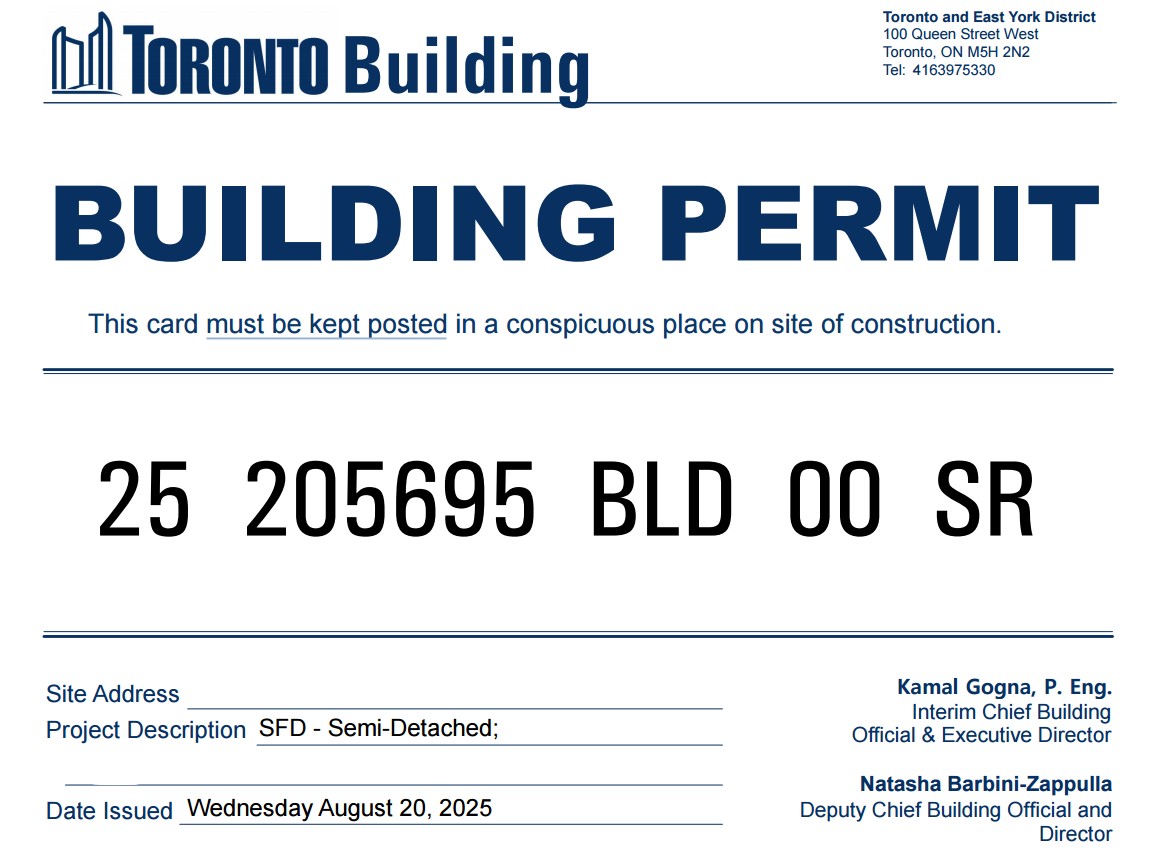
Why Walk-Up Stairs Require Permits
Walk-up stairs involve structural changes and often require excavation or alterations to foundations and exterior walls. A building permit ensures the project meets the following requirements:
- Compliance with the Ontario Building Code for stair dimensions, handrails, and landings.
- Proper site drainage to prevent water infiltration into the basement.
- Safe access and egress for occupants, meeting fire safety standards.
- Compliance with local zoning bylaws regarding exterior access and setbacks.
Planning and Design Considerations
Before construction, careful planning is critical. Consider the following:
- Stair dimensions: Ensure riser height and tread depth meet code requirements for safety and comfort.
- Location: Choose a site that does not conflict with underground utilities or landscaping.
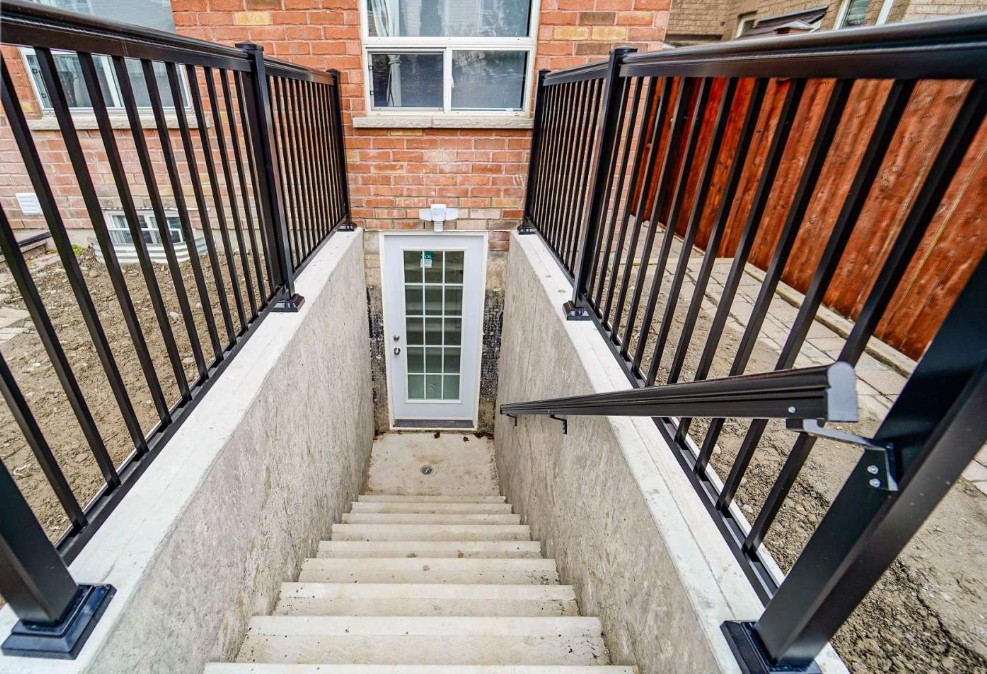
- Drainage: Design the stair well with proper slopes, drains, and waterproofing to avoid water problems.
- Material selection: Concrete, treated wood, or steel may be used depending on structural requirements and site conditions.
- Access doors: Use weatherproof, secure doors suitable for below-grade installations.
Construction Process
Building walk-up stairs typically involves the following steps:
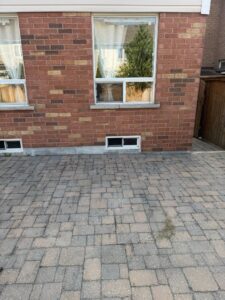
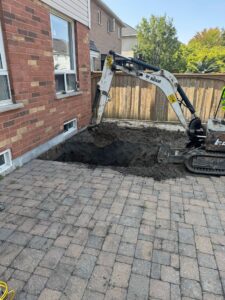
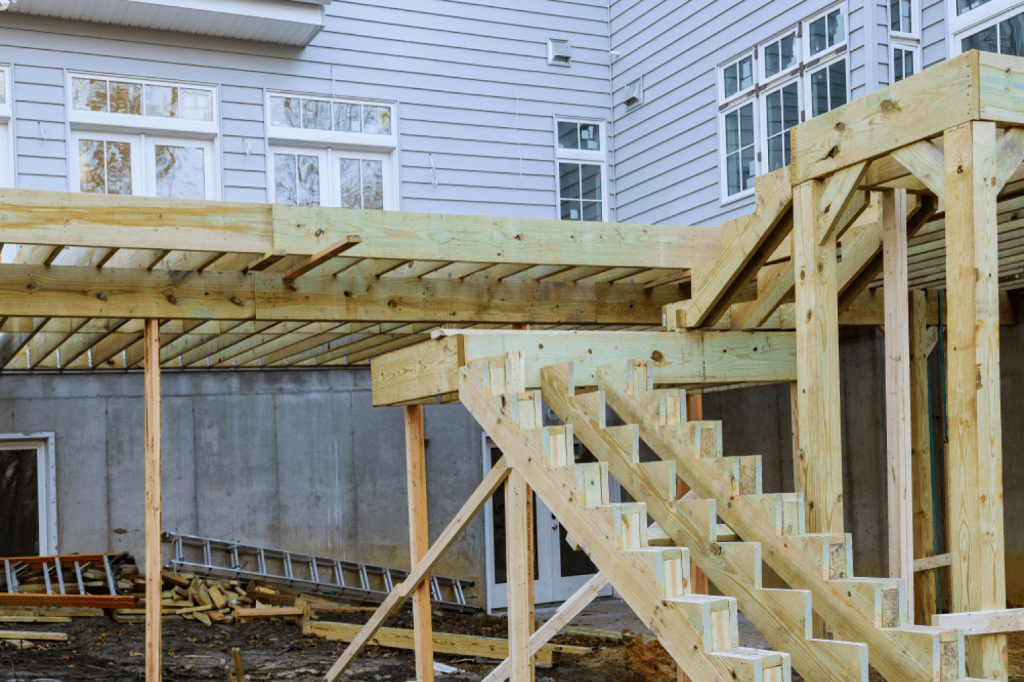
- Excavation: Excavate the stairwell area to the required depth, ensuring a stable base and proper drainage slope.
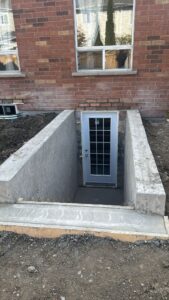
- Formwork and Foundation: Install concrete forms and pour the foundation or landing slab according to engineering specifications.
- Structural Supports: Frame or pour the stairs, ensuring proper riser height, tread width, and structural integrity.
- Door Installation: Install the basement access door, including weatherstripping and secure hardware.
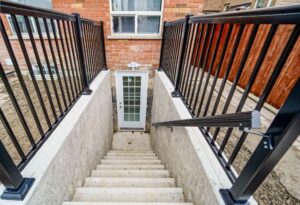
- Finishing: Install handrails, guardrails, and protective coatings. Ensure proper lighting and slip-resistant surfaces.
- Inspection: Schedule inspections as required by the building department to confirm code compliance.
Safety and Code Compliance
- Stairs must have uniform riser heights and tread depths.
- Guardrails and handrails must meet minimum height and strength requirements.
- Drainage systems must prevent water accumulation at the entrance or stairwell.
- Materials used must be durable and suitable for exterior conditions.
Benefits of Properly Constructed Walk-Up Stairs
- Safe and convenient access to basements or secondary suites.
- Increased property value and functionality.
- Enhanced natural light and ventilation for below-grade spaces.
- Legal compliance with building codes, avoiding fines or costly rework.
Walk-up stairs are more than just an entrance—they are a structural addition that requires careful planning and execution. Working with a qualified designer, contractor, or building department ensures that your stairs are safe, durable, and fully compliant with all regulations.
For homeowners and builders planning a walk-up stair project, always obtain the necessary building permits before starting construction. Consult local codes, and consider professional guidance to ensure a successful outcome.
If you are considering adding walk-up stairs to your home, contact a licensed designer or your local building department to start your building permit application today.